Crack the UCEED Exam in 1 Month! Tips and Tricks for Smart Preparation
For many students preparing for design entrance exams, the biggest fear is not the exam itself — it’s the feeling of running out of time.
A lot of students begin preparing seriously for the UCEED exam 2027 only a month or two before the exam. Some are busy with board exams, some discover design as a career late, and others simply feel overwhelmed and delay preparation because they don’t know where to start.
The good news is this:
Yes, it is absolutely possible to improve significantly in one month if you prepare smartly.
Now, does one month mean students can magically master every design skill overnight? Of course not. But UCEED is not an exam that rewards rote memorization or years of textbook learning alone. It rewards:
- Observation
- Creativity
- Visual thinking
- Logical reasoning
- Smart problem-solving
- Time management
And these are skills that can improve surprisingly fast with focused preparation.
In fact, many students waste months practicing randomly, while others improve dramatically within a few weeks simply because they prepare strategically.
The key is not to panic. The key is to stop trying to do everything and instead focus on the areas that actually matter.

First, Understand What UCEED Really Tests
One of the biggest mistakes students make is treating UCEED like a traditional entrance exam.
UCEED is not about memorizing formulas or mugging up theory.
The exam is designed to test:
- Creativity
- Observation skills
- Visualization ability
- Design aptitude
- Logical reasoning
- Problem-solving
- Spatial understanding
This means preparation should also be different.
Instead of studying passively for hours, students preparing for UCEED need to actively:
- Observe
- Sketch
- Analyze
- Think creatively
- Solve visual problems
The exam evaluates how students think — not just how much they know.
Once students understand this, preparation becomes much more focused and less stressful.
Is One Month Really Enough?
Honestly, one month is not ideal.
Students who start earlier definitely get more time to develop creativity and confidence gradually.
But that does not mean one month is useless.
In fact, one focused month of preparation can still help students:
- Improve visualization skills
- Increase speed
- Understand question patterns
- Build confidence
- Strengthen observation skills
- Learn smart exam strategies
The biggest advantage students have during the final month is clarity.
By this stage, students should stop trying to learn everything from scratch and instead focus on improving performance strategically.
Step 1: Understand the Exam Pattern Properly
Before practicing anything, students should spend time understanding:
- What kinds of questions appear
- Which sections carry more weight
- How much time is available
- Which areas feel difficult personally
A surprising number of students start preparation without even analyzing previous papers properly.
That usually leads to random preparation.
Students should solve and analyze previous UCEED papers carefully because they help reveal:
- The style of questions
- Time pressure
- Creativity expectations
- Visual reasoning patterns
This alone can improve preparation direction significantly.
Step 2: Stop Focusing Only on Drawing
This is probably the most common mistake students make during last-minute preparation.
Many students panic and start practicing only sketching for hours every day.
But UCEED is not a fine arts exam.
Good drawing helps, but the exam mainly rewards:
- Idea generation
- Visualization
- Logical thinking
- Observation
- Problem-solving
Students do not need hyper-realistic sketches to perform well.
Simple drawings with clear ideas often score much better than technically perfect sketches without creativity.
Instead of obsessing over shading and perfection, students should focus on:
- Speed sketching
- Visual communication
- Storytelling
- Perspective understanding
- Human figures
- Daily life scenes
The goal is clarity, not perfection.
Step 3: Improve Observation Skills Daily
Observation is one of the most underrated skills in design entrance preparation.
Good designers notice details that most people ignore.
Students should begin actively observing:
- People
- Street scenes
- Public spaces
- Human behavior
- Everyday objects
- Lighting and shadows
- Movements and interactions
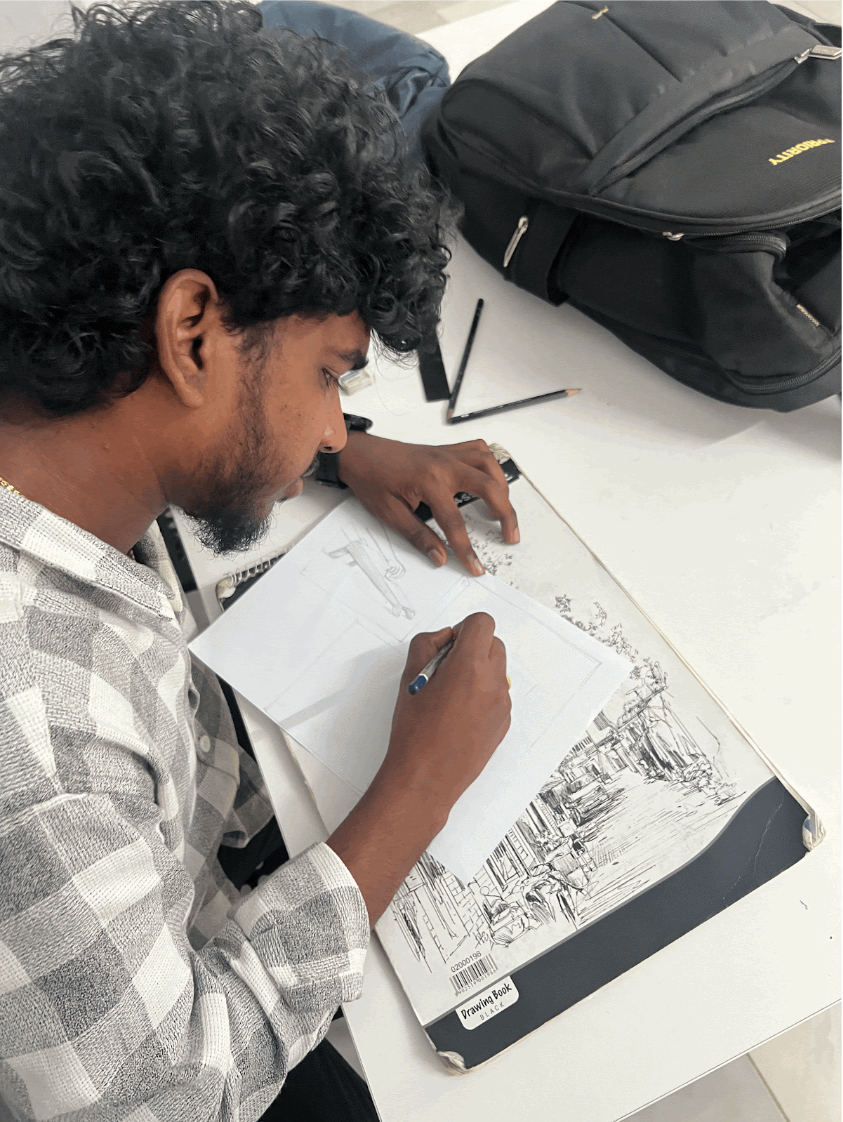
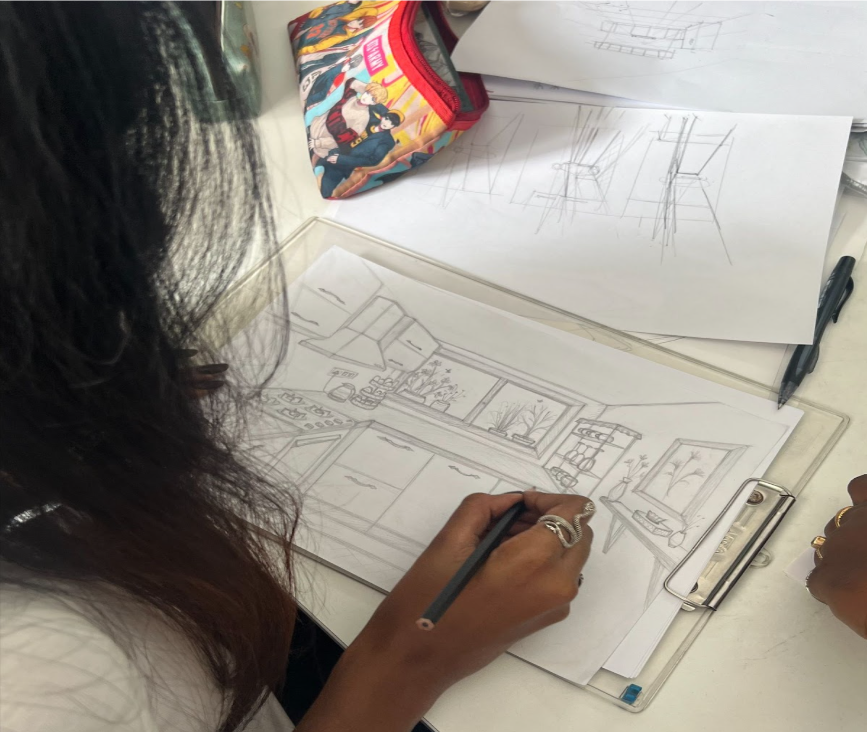
Even spending 20 minutes daily sketching real-life scenes can improve:
- Composition
- Visualization
- Memory drawing
- Creative thinking
Students who only copy Pinterest references often struggle during imaginative or situation-based questions.
Real observation develops originality.
Step 4: Practice Visualization and Logical Thinking
UCEED includes many questions related to:
- Spatial reasoning
- Pattern recognition
- Visualization
- Analytical thinking
Students often ignore these areas because they focus only on sketching.
But these sections can significantly impact scores.
Students should practice:
- Mental rotation questions
- Visual puzzles
- Shape transformations
- Perspective understanding
- Logical pattern questions
These skills improve steadily with regular practice.
Also read: CEED Exam previous year question papers and answer keys for ceed preparation 2027
Step 5: Solve Mock Tests Under Real Time Limits
One of the biggest reasons students underperform during entrance exams is poor time management.
Many students can solve questions individually but struggle to complete the paper within the actual exam duration.
Mock tests become extremely important during the final month because they help students:
- Improve speed
- Reduce panic
- Build exam stamina
- Learn time allocation
- Identify weak areas
Students should practice full-length mock tests regularly under strict timing conditions.
After every mock test, analysis becomes important.
Instead of only checking scores, students should ask:
- Which sections took too much time?
- Where did I panic?
- Which questions felt confusing?
- What mistakes repeated?
That analysis is where real improvement happens.
Step 6: Build a Daily Routine Instead of Random Practice
Many students waste time jumping between YouTube videos, Pinterest inspiration, and random exercises without a proper routine.
This creates confusion and anxiety.
A simple structured daily plan works much better.
For example:
Morning
- Observation sketching
- Human figures
- Perspective practice
Afternoon
- Logical reasoning
- Visualization exercises
- Previous paper questions
Evening
- Mock test practice
- Design awareness
- Creative exercises
Consistency matters much more than studying for extremely long hours.
Even 5–6 focused hours daily can create major improvement within a month.
Step 7: Don’t Ignore Design Awareness
Many students focus entirely on drawing and aptitude while ignoring design awareness.
But good design students are usually curious about the world around them.
Students should spend time observing:
- Product designs
- Advertisements
- Branding
- Packaging
- Architecture
- UI/UX
- Fashion trends
- Public spaces
This naturally improves visual sensitivity and creative thinking.
Students preparing for UCEED should slowly begin developing a “designer’s eye.”
Related: What is the difference between uceed exam and ceed exam?
Step 8: Stop Comparing Yourself With Others
The final month before UCEED becomes emotionally stressful for many students.
Social media often makes this worse.
Students constantly see:
- Perfect sketchbooks
- Advanced portfolios
- Highly polished artworks
This creates unnecessary panic.
But students should remember:
UCEED is not testing who can create the prettiest artwork.
It is testing:
- Thinking ability
- Creativity
- Observation
- Problem-solving
Many successful students are not necessarily the “best artists.” They are often students who think clearly and communicate ideas well.
The goal during the final month is improvement — not perfection.
Step 9: Focus More on Smartness Than Quantity
Last-minute preparation is about efficiency.
Students should avoid:
- Overloading themselves with resources
- Trying to master everything
- Watching endless tutorials passively
Instead:
- Solve quality questions
- Analyze mistakes
- Practice consistently
- Improve weak areas strategically
Sometimes solving fewer questions deeply is much more effective than rushing through hundreds of exercises mindlessly.
Step 10: Stay Calm Before the Exam
The final week before UCEED is not the time to panic.
Students should focus on:
- Revision
- Mock tests
- Sleep
- Confidence building
Overworking during the final days often increases stress and reduces clarity during the exam.
Good performance in design exams depends heavily on calm thinking and clear observation.
Students who remain mentally relaxed usually perform much better creatively.
Why Guidance Can Help During Last-Minute Preparation
Many students preparing alone feel confused because they are unsure:
- What to prioritize
- How to improve quickly
- Which mistakes matter most
- How to approach mock tests
This is where proper mentorship becomes useful.
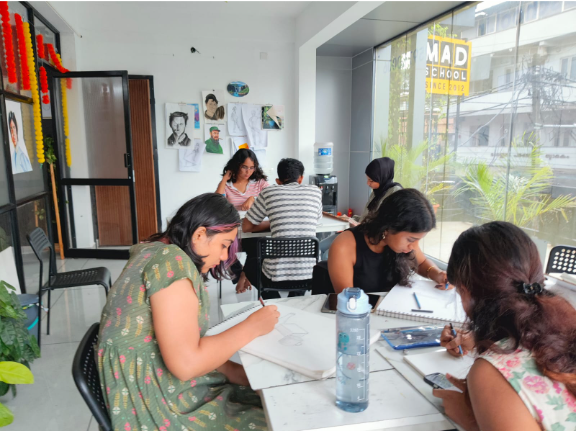
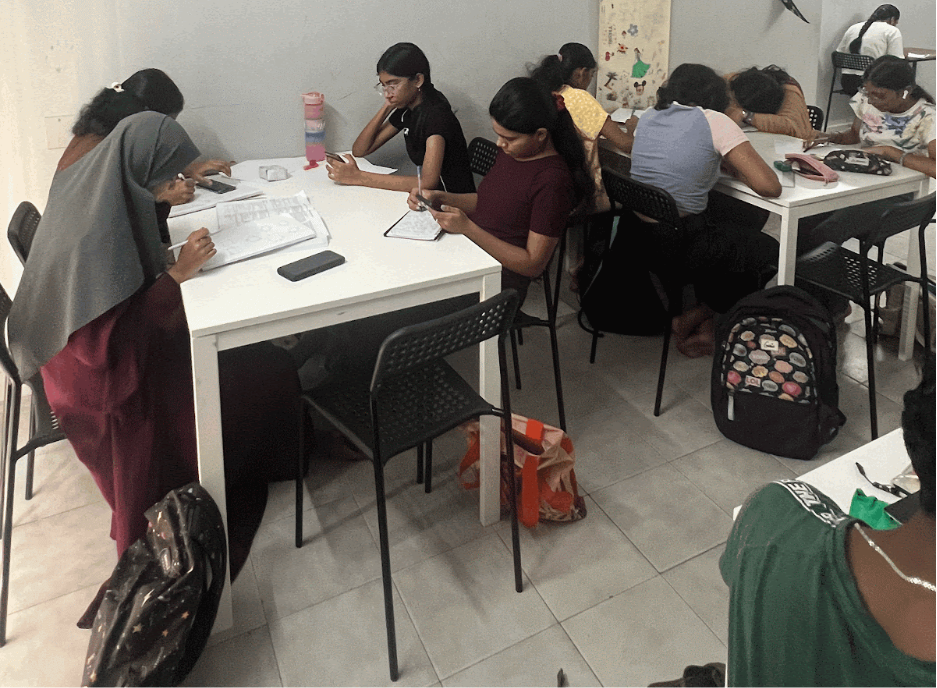
At MAD School, students preparing for UCEED are guided through structured practice sessions that focus on:
- Observation skills
- Visualization exercises
- Creative aptitude
- Sketching confidence
- Mock test analysis
- Time management
Instead of simply memorizing techniques, students are encouraged to improve their overall design thinking and creative problem-solving ability.
| UCEED Exam coaching 2027 in Hyderabad | UCEED Exam coaching 2027 in kerala |
| UCEED Exam coaching 2027 in chennai | UCEED Exam coaching 2027 in kochi |
The goal is not just helping students attempt the exam — but helping them approach it confidently and strategically.
Final Thoughts
Can you crack UCEED in one month? Yes — if you prepare smartly, consistently, and calmly.
Will one month turn someone into a perfect designer overnight? No.
But one focused month can absolutely improve:
- Confidence
- Speed
- Observation
- Visualization
- Creative thinking
- Exam performance
The biggest mistake students make is panicking and trying to do everything at once.
Instead, focus on:
- Understanding the exam
- Practicing strategically
- Improving daily
- Staying consistent
Design entrance exams reward creative thinking much more than perfection.
And sometimes, students improve the most when they stop overthinking and simply begin practicing with clarity.
FAQs
Yes, students can improve significantly within one month if they prepare strategically and consistently. While starting early is always better, focused preparation during the final month can still help improve creativity, visualization, speed, and confidence.
Students usually benefit from 5–6 focused hours of preparation daily during the final month. The important thing is consistency and quality of practice rather than studying for extremely long hours without concentration.
No. Drawing is important, but UCEED mainly evaluates:
Creativity
Observation
Logical reasoning
Visualization
Problem-solving
Simple sketches with strong ideas often perform better than highly detailed artwork without creative thinking.
Absolutely. Students from all streams — Science, Commerce, and Humanities — can prepare for and crack UCEED successfully.
The exam focuses more on creativity and aptitude than academic stream background.
Mock tests are extremely important because they help students:
Improve speed
Build confidence
Reduce exam panic
Learn time management
Understand question patterns
Regular mock test analysis is one of the fastest ways to improve performance.
Yes. Previous papers help students understand:
Exam difficulty
Question patterns
Creativity expectations
Time pressure
They also help students identify weak areas early. Get all the uceed previous year question papers and answer sheet for uceed 2027 preparation for free
During the final week, students should focus on:
Revision
Mock tests
Staying calm
Light sketching practice
Sleep and mental clarity
Avoid overloading yourself with too many new topics.
Some students prepare independently, but many students benefit from guidance because design entrance preparation is very different from regular academic exams.
Structured coaching can help students improve:
Observation
Visualization
Design aptitude
Time management
Creative confidence
At MAD School, students preparing for UCEED are guided through practical exercises, mock tests, sketching sessions, and creative aptitude training designed specifically for design entrance preparation.