NID B.Des Specializations: Seats, Career Opportunities, How to Apply
The Bachelor of Design (B.Des) program at the National Institute of Design (NID) is one of the most sought-after design courses in India. Known for its strong emphasis on creativity, innovation, and hands-on learning, NID offers a range of specializations that allow students to explore different areas of design and build careers in various creative industries.
Students who clear the NID entrance exam and secure admission into the B.Des program get the opportunity to choose from multiple disciplines based on their interests and career goals. Each specialization focuses on developing specific design skills while encouraging interdisciplinary learning.
If you are planning to pursue design after Class 12, it is important to understand the different specializations offered in the NID B.Des program and how to apply for NID admission.

Overview of NID B.Des Program
The B.Des program at NID is a four-year undergraduate course designed to help students develop strong foundations in design thinking, creativity, problem-solving, and visual communication.
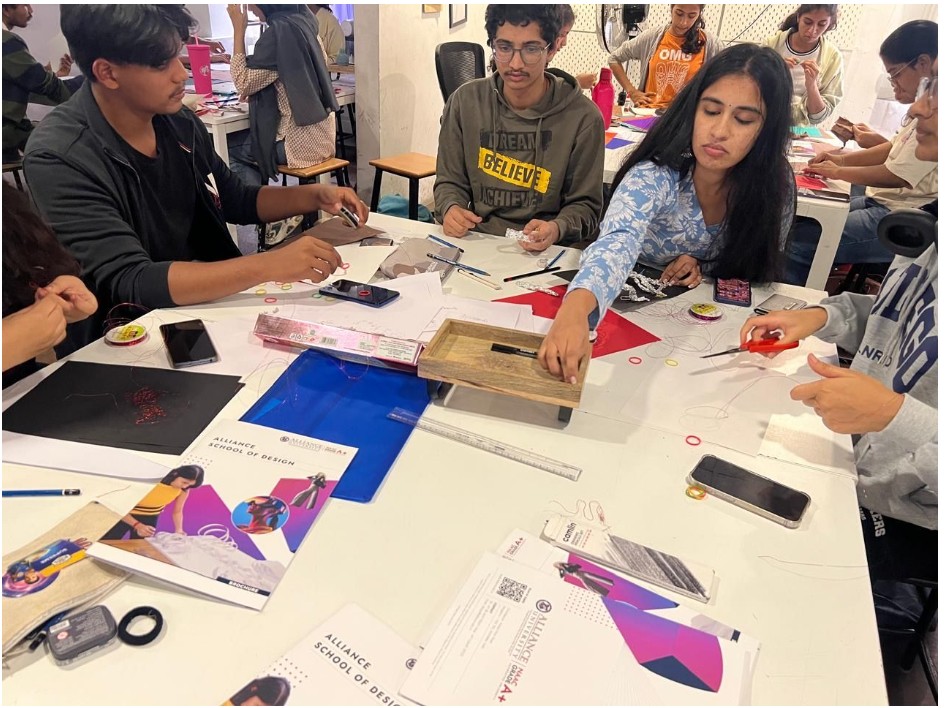
During the initial stage of the program, students are introduced to foundation studies, where they learn core design principles such as drawing and sketching, design theory, visual perception, material exploration, model making, and creative problem solving.
After the foundation year, students move into discipline-specific specializations, where they gain deeper knowledge and practical experience in their chosen design field.
NID offers specializations under three major streams:
- Communication Design
- Industrial Design
- Textile, Apparel, Lifestyle & Accessory Design
Major Specializations in NID B.Des Programs
Communication Design Specializations
Communication Design focuses on visual storytelling, media communication, and graphic representation of ideas.
Seats: 13
Campus: Ahmedabad
This specialization focuses on storytelling through film and video media. Students learn how to create documentaries, short films, and visual narratives using professional filmmaking techniques.
What Students Learn
- Cinematography
- Film direction
- Video editing
- Scriptwriting
- Sound design
- Documentary filmmaking
Career Opportunities
Graduates can work as filmmakers, cinematographers, video editors, and content creators in film studios, media companies, and digital platforms.
Exhibition Design (B.Des)
Seats: 13
Campus: Ahmedabad
Exhibition Design focuses on designing museum exhibitions, galleries, and interactive display spaces that communicate ideas and stories to audiences.
What Students Learn
- Spatial design
- Museum and exhibition layout
- Interactive installations
- Visitor experience design
- Display systems and graphics
Career Opportunities
Graduates may work as exhibition designers, museum designers, experience designers, and event installation designers.
Animation Film Design (B.Des)
Seats: 19
Campus: Ahmedabad
Animation Film Design focuses on creating animated stories using traditional and digital animation techniques.
What Students Learn
- Character design
- Storyboarding
- Animation techniques
- Motion graphics
- Visual storytelling
- Digital animation tools
Career Opportunities
Graduates can work as animators, storyboard artists, motion graphic designers, and character designers in animation studios and gaming companies.
Graphic Design (B.Des)
Seats: 19
Campus: Ahmedabad
Graphic Design focuses on visual communication through typography, images, and layouts.
What Students Learn
- Typography and layout
- Branding and identity design
- Publication design
- Illustration
- Digital graphic design
Career Opportunities
Graduates often work as graphic designers, art directors, brand designers, and visual communication designers.
Industrial Design Specializations
Ceramic & Glass Design (B.Des)
Seats: 13
Campus: Ahmedabad
This specialization focuses on designing products using ceramic and glass materials, combining traditional craftsmanship with modern design methods.
What Students Learn
- Clay modeling and pottery
- Glass forming techniques
- Surface finishing and glazing
- Material exploration
Career Opportunities
Graduates can work as ceramic designers, glass product designers, and craft designers.
Furniture and Interior Design (B.Des)
Seats: 13
Campus: Ahmedabad
Furniture and Interior Design focuses on designing functional furniture systems and interior environments.
What Students Learn
- Furniture design and prototyping
- Ergonomics
- Interior space planning
- Material exploration
Career Opportunities
Graduates may work as furniture designers, interior designers, and spatial designers.
Product Design (B.Des)
Seats: 19
Campus: Ahmedabad
Product Design is one of the most popular specializations offered in the NID B.Des program. This discipline focuses on designing physical products used in everyday life, such as furniture, appliances, electronics, tools, and consumer goods.
Students learn how to create products that are functional, ergonomic, aesthetically pleasing, and user-friendly.
What Students Learn
- Product sketching and concept development
- Ergonomics and usability
- Material exploration
- Prototyping and model making
- Manufacturing processes
- Human-centered design
Career Opportunities
Graduates in product design can work as industrial designers, product designers, design consultants, and innovation designers. They often work with industries such as consumer electronics, automotive, furniture, healthcare, and technology.
Textile, Apparel, Lifestyle & Accessory Design
Seats: 19
Campus: Ahmedabad
Textile Design focuses on the creation of fabrics, surface patterns, and textile products. It combines creativity with traditional craft techniques and modern production methods.
Students explore both handcrafted and industrial textile processes, learning how fabrics are designed, produced, and applied in various industries.
What Students Learn
- Fabric construction techniques
- Surface pattern design
- Dyeing and printing methods
- Textile history and culture
- Craft documentation
- Textile product development
Career Opportunities
Graduates can pursue careers as textile designers, fabric developers, surface pattern designers, and fashion textile designers. They may work in fashion, home furnishings, craft industries, or textile manufacturing companies.
Choosing the Right Design Specialization
Choosing a specialization depends on your interests, strengths, and career goals. Each discipline focuses on different creative skills.
For example:
- If you enjoy designing physical objects, product design may be suitable.
- If you like visual communication and branding, communication design could be ideal.
- If you are interested in fabric, craft, and patterns, textile design might be a great choice.
- If storytelling through animation or film excites you, animation or film design could be the right path.
Related: Is NID Mains more difficult than NID Prelims and why?
Preparing for NID B.Des Admission
Admission into the B.Des program at NID is highly competitive and requires clearing the NID Design Aptitude Test (DAT), which includes NID DAT Prelims and NID DAT Mains.
These exams test a student's creativity, visualisation ability, design thinking, and problem-solving skills.
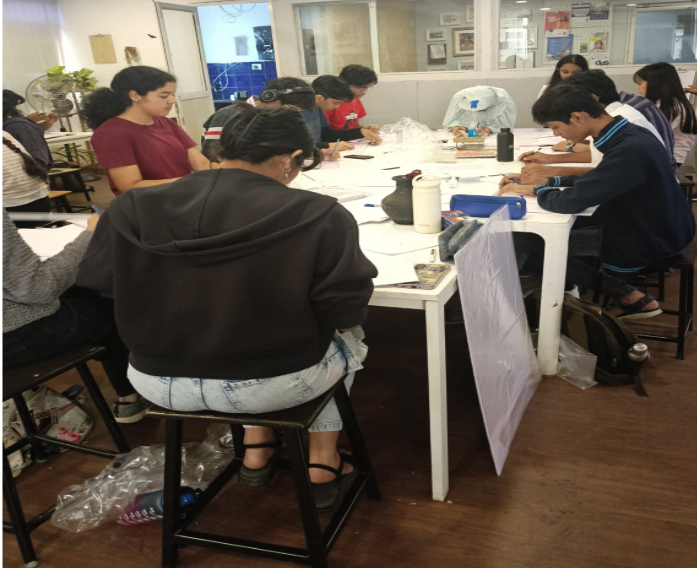
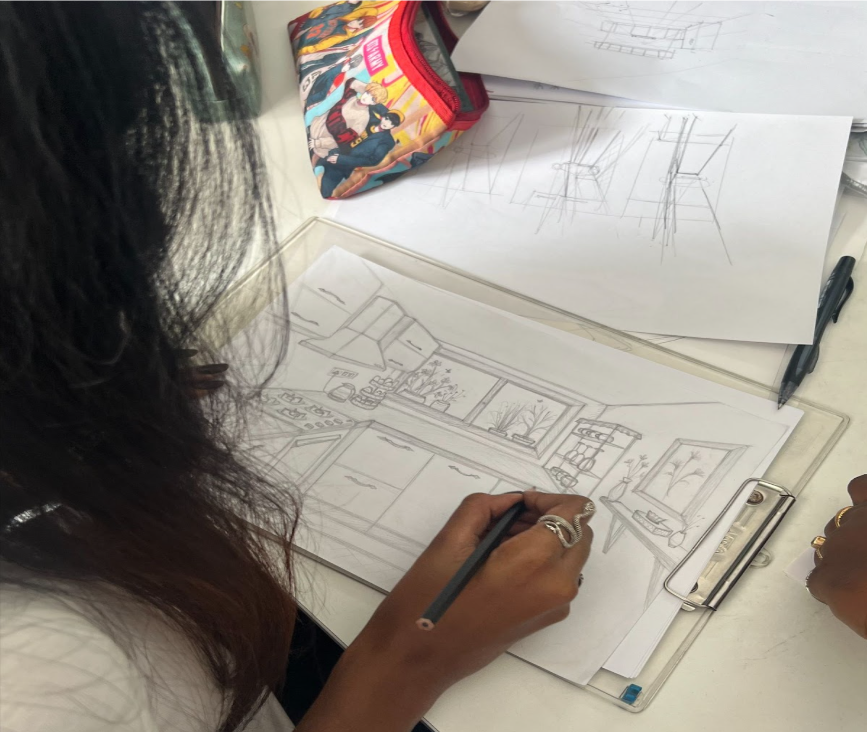
To prepare effectively, students should focus on sketching and drawing practice, developing observation skills, understanding design concepts, practicing creative problem solving, and building a strong portfolio.
How to Apply for NID B.Des
Students who wish to pursue B.Des at the National Institute of Design must go through the NID Design Aptitude Test (DAT).
The admission process usually follows these steps:
Step 1: Check Eligibility
To apply for NID B.Des:
- Students must have completed Class 12 or equivalent from a recognized board.
- Students from any stream (Science, Commerce, or Arts) can apply.
Step 2: Register Online
Candidates must apply through the official NID admission portal by:
- Filling out the application form
- Uploading required documents
- Paying the application fee
Applications typically open around October or November each year.
Step 3: Appear for NID DAT Prelims
The first stage of the exam is the NID DAT Prelims, which is a written test that evaluates:
- Creativity
- Drawing skills
- Visualisation ability
- Design aptitude
- Problem-solving ability
Step 4: NID DAT Mains
Students who clear the prelims are shortlisted for NID DAT Mains, which may include:
- Studio tests
- Model-making exercises
- Creative problem-solving tasks
- Personal interviews
Step 5: Final Merit List and Admission
The final selection is based on the combined performance in NID DAT Prelims and Mains. Students who qualify in the final merit list are offered admission to NID campuses.
Final Thoughts
The NID B.Des program offers a wide range of exciting specializations that allow students to explore different areas of design and build successful creative careers.
Whether it is product design, communication design, textile design, animation, or film, each specialization provides unique opportunities to learn, experiment, and innovate.
For students passionate about creativity and design, the NID B.Des program can be the first step toward a rewarding career in the design industry. By understanding the available specializations and preparing well for the entrance exam, aspiring designers can move closer to achieving their dream of studying at one of India’s leading design institutes.
For extra guidance, you can choose to enroll in our NID coaching centres in hyderabad, chennai, ernakulam and calicut to improve their sketching skills, design thinking, and problem-solving ability for the NID Design Aptitude Test (DAT).