After the Written Exam: How to crack Design Interviews and Portfolio Rounds
Clearing the written aptitude test is only one step in getting into a top design college. Many students assume that once they perform well in the prelims, the hard part is over. In reality, the second stage — which includes the Studio Test, Interview, and Portfolio Review — plays an equally important role in your final selection.
These rounds evaluate qualities that cannot be measured through multiple-choice questions. They assess your creative process, originality, visual thinking, communication skills, awareness of design, and your ability to solve problems under pressure. A strong prelims score may get you shortlisted, but your performance in the mains stage ultimately determines whether you receive admission into competitive institutes like NID, IITs, or NIFT.
Each design entrance exam — NID DAT, UCEED, CEED, and NIFT — follows its own structure. Understanding these differences early helps you prepare strategically instead of preparing blindly.

NID DAT Mains: Studio Test, Interview and Portfolio
The National Institute of Design conducts admissions in two stages. Stage 1 is the DAT Prelims, which is a screening test. Stage 2 is the DAT Mains, which includes a NID Studio Test and often followed by Interview and Portfolio round.
The Studio Test is a hands-on evaluation conducted under strict time limits. It is designed to test how you think and execute ideas in real time. The NIDStudio Test evaluates your ability to think and execute under strict time pressure.
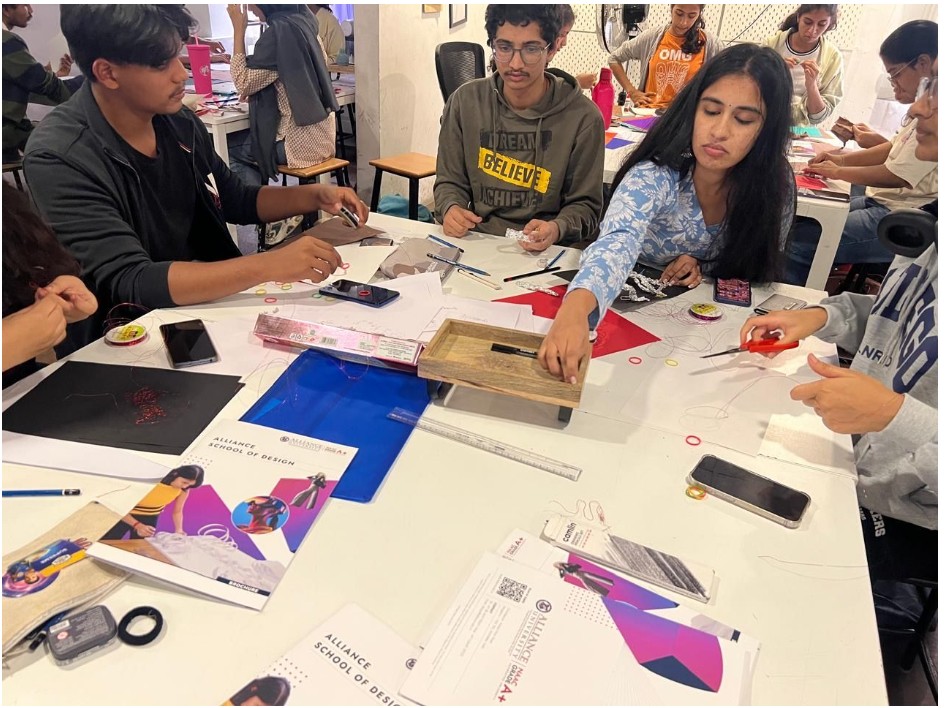
Material Handling tasks: Evaluate your 3D visualization skills, resourcefulness, execution ability, and finishing quality. You may be asked to create a functional object such as a toy, pen stand, small structure, or conceptual product using materials provided on the spot like wire, clay, cardboard, newspaper, fabric scraps, or thermocol.
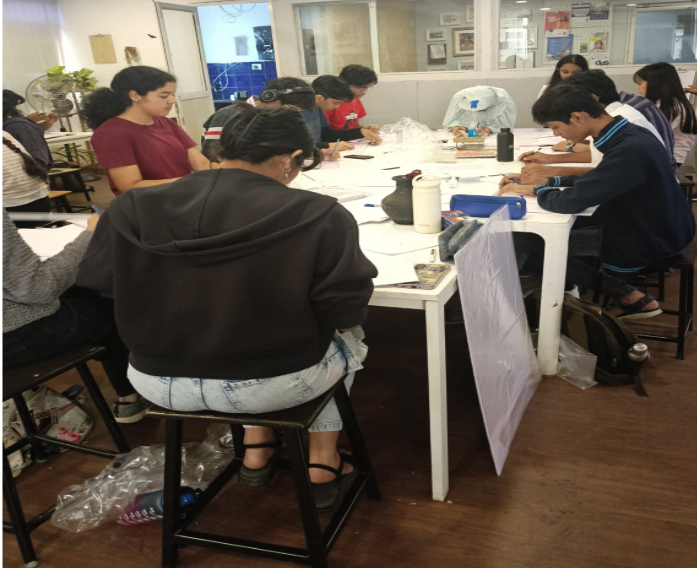
Sketching and Drawing tasks: Test your observational ability and clarity of visual communication. You might need to draw an object from a particular viewpoint, illustrate a situation, complete a doodle creatively, or visually narrate a short prompt.
Audio-Visual or Sensory tests: Assess your observation and recall skills. You may be shown a short video or audio clip and asked to sketch, analyze, or respond creatively based on what you observed.
For M.Des candidates, and often for B.Des as well, an interview is conducted. The interview panel looks at your motivation for choosing design, your awareness of design trends, and your clarity of thought. You may be asked about current affairs, social issues, or how design can solve real-world problems. They want to understand how you think.
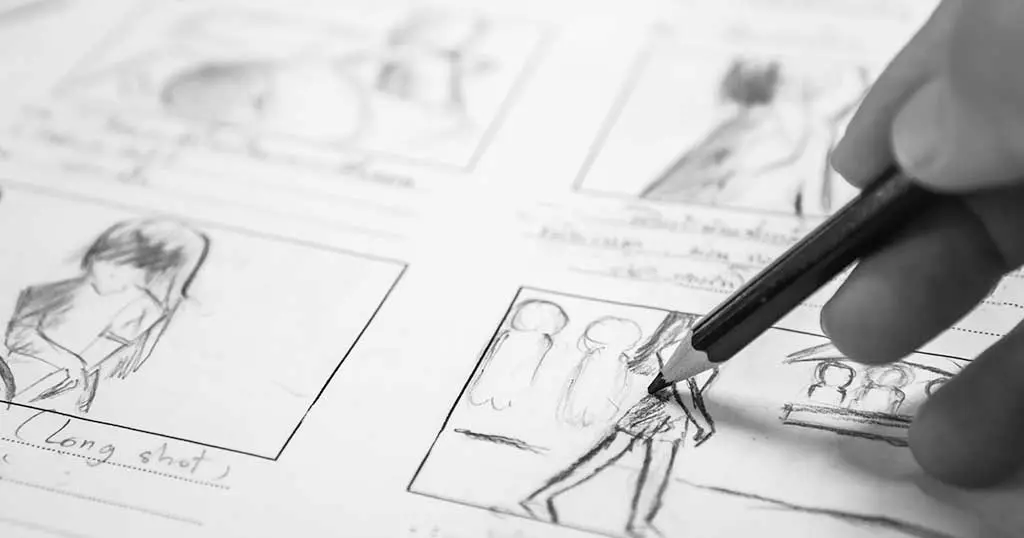
Portfolio submission is mandatory for M.Des candidates and highly recommended for B.Des aspirants. A portfolio should reflect your creative journey — not just final artworks. It should include rough sketches, ideation sheets, iterations, experiments, and refined outcomes. Panels are more interested in your thought process than decorative work.
Generally, NID follows a weightage structure where NID DAT Prelims contribute around 30 percent and DAT Mains contribute around 70 percent to the final result, though students should always refer to the official handbook for updated details.
UCEED and CEED: What Happens After the Written Exam
Both UCEED and CEED are conducted by IIT Bombay, but their second-stage processes differ significantly.
For UCEED, which is for undergraduate B.Des programs, admission to IITs is based purely on rank through centralized counselling. There is no separate interview or portfolio requirement for IIT admissions. However, many private or government colleges that accept UCEED scores conduct their own admission process, which may include a portfolio review or interview.
For CEED, which is for postgraduate M.Des programs, the second stage is institute-specific. After qualifying the CEED cutoff, each participating institute conducts its own evaluation. This may include a written test, portfolio review, and personal interview. For example, some IITs follow a structure where the CEED score carries major weightage and the remaining percentage comes from departmental evaluation, which includes portfolio and interview performance. Each IIT department has slightly different criteria, so candidates must check individual admission pages carefully.
NIFT also includes a second stage. For certain programs, especially B.Des, a NIFT Situation Test is conducted after the written exam. The Situation Test evaluates model-making ability, creativity, finishing skills, and concept clarity. Some programs also include interviews.
Related: How to improve visualisations skills for design entrance exams?
Preparing for the Interview and Portfolio Rounds
Success in the mains stage is not about memorizing answers. It is about demonstrating your creative maturity and clarity of thought.
Keep It Concise
Your portfolio should be concise and purposeful. Instead of filling it with too many projects, include 10 to 15 strong ones. For each project, show the process — the problem statement, research, brainstorming sketches, iterations, challenges faced, and final solution. This shows that you understand design thinking.
Make It Diverse
Diversity in your portfolio is important. Include freehand sketches, digital work, photography, craft explorations, graphic layouts, or photographs of simple 3D models. If you are applying for Industrial Design, include product concepts. If you are applying for Communication Design, include visual identity or poster concepts. Tailor your portfolio to your intended discipline.
Maintain A Sketchbook
A well-maintained sketchbook is also powerful. Daily observation sketches, quick ideation exercises, travel sketches, and experimental drawings reflect consistency and curiosity.
Practice Regularly
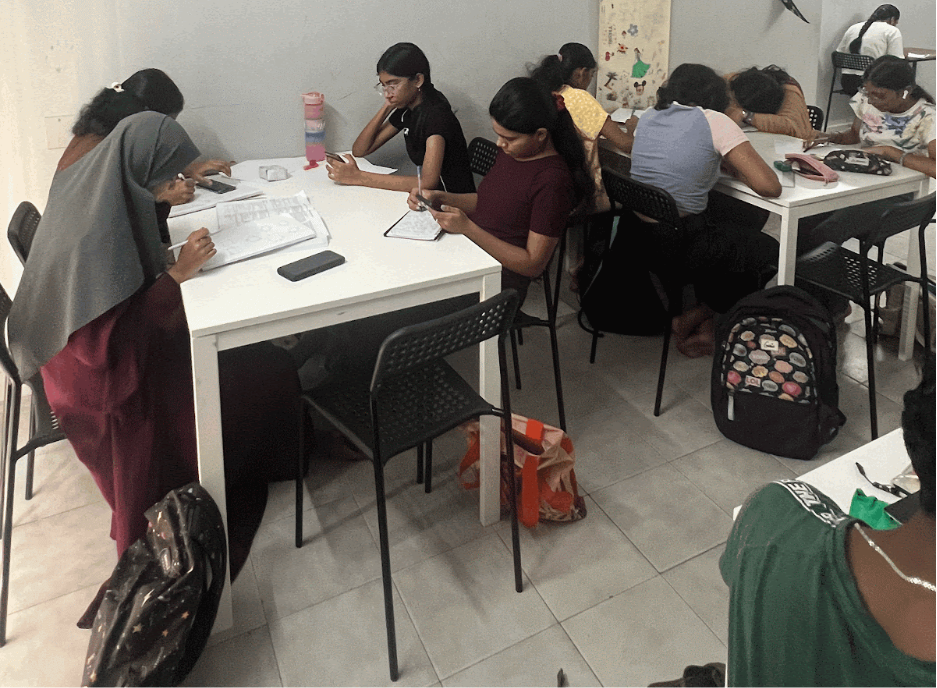
For Studio Test preparation, regular practice is essential. Work with common materials like paper, cardboard, clay, wire, foil, and thermocol. Set strict time limits while practicing model-making tasks. Focus on stability and finishing rather than decoration.
Sketch Objects from Different Angles
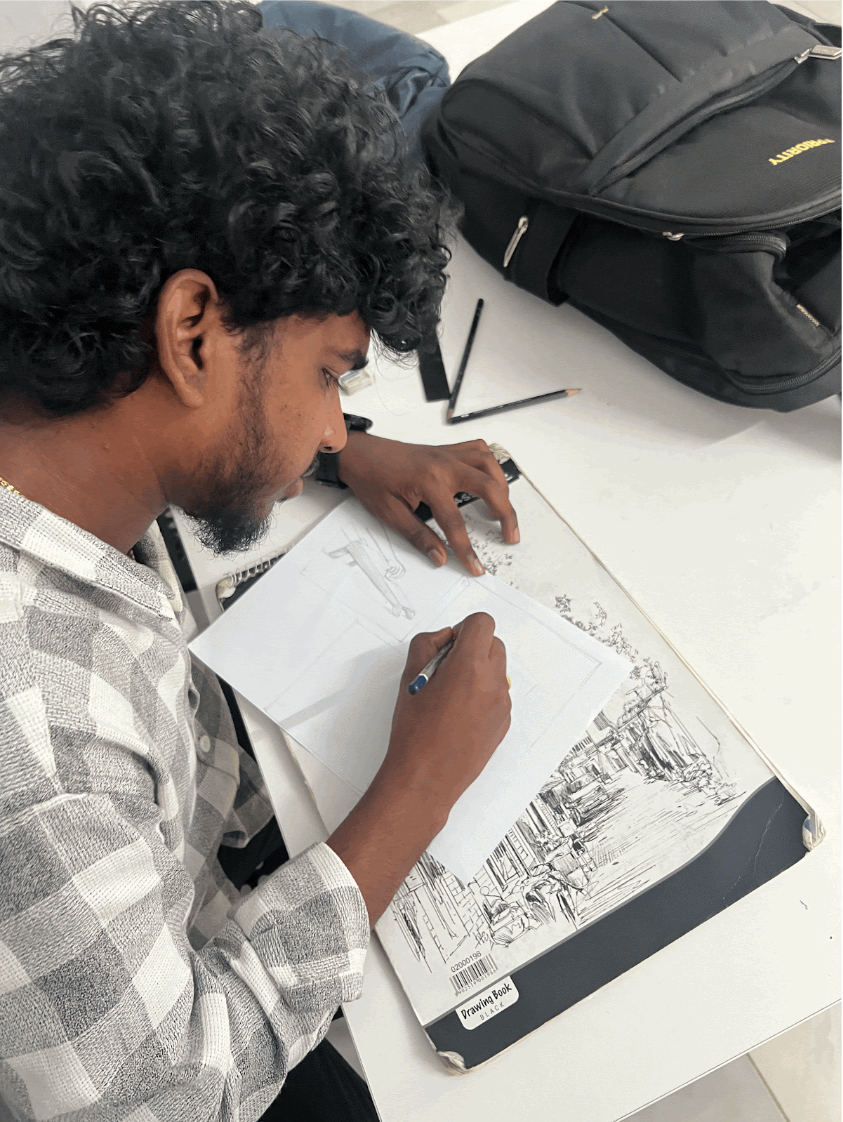
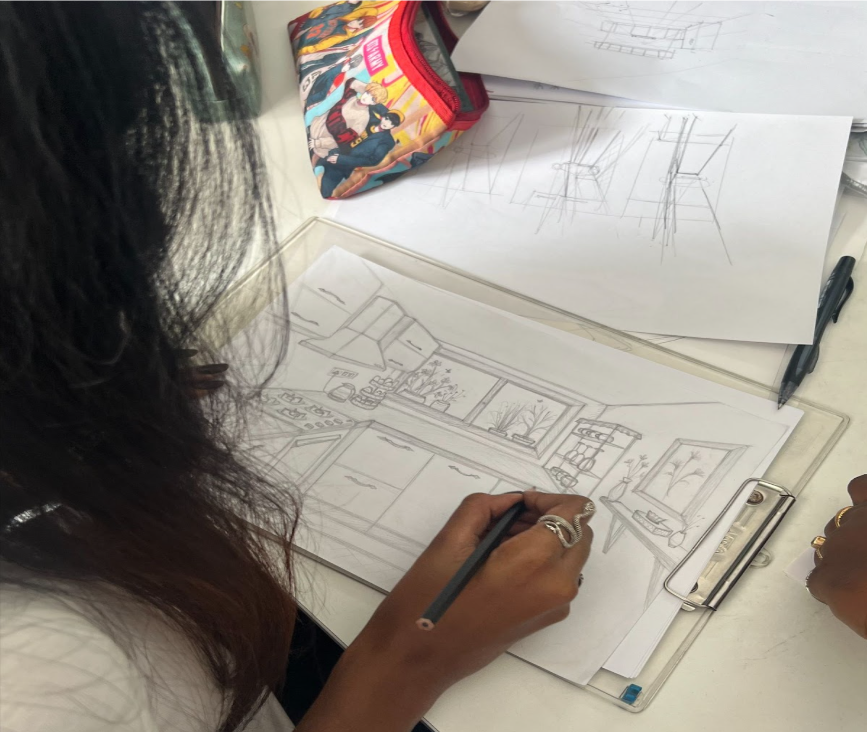
Improve your observational drawing skills by sketching objects from different angles. Pay attention to proportion, perspective, and light-shadow relationships.
Also read: How to prepare for NID Studio test 2026
Preparing for interviews
To prepare for interviews, be ready to explain your portfolio confidently. Expect questions like why you chose a particular concept, what problem your design solves, or what you would improve if given more time. Stay updated on design trends, sustainability issues, product innovations, and social challenges. Panels appreciate awareness and genuine curiosity.
Mock interviews help tremendously. Practice answering questions such as “Why design?”, “What is the difference between art and design?”, or “Which product would you redesign and why?” Speak clearly and honestly. Authenticity matters more than rehearsed perfection.
How MAD School Supports Mains Preparation
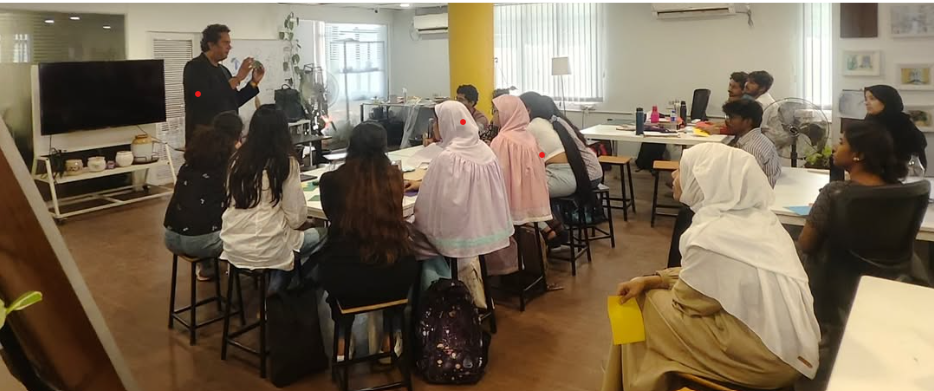
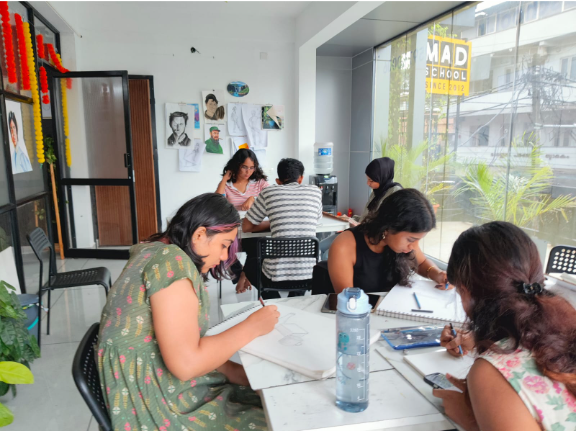
At MAD School, preparation goes beyond written exam coaching. We focus strongly on second-stage readiness in our portfolio preparation classes because that is where students often struggle. Our design training includes studio simulations, material handling workshops, structured portfolio development, mock interviews, and personalized feedback. Faculty with experience in NID, NIFT, and IIT-level preparation guide students to think critically and present their ideas confidently.
Many students clear prelims but lose momentum during mains. Structured guidance ensures that your creativity, presentation, and confidence are exam-ready. To keep the momentum going, join us for NID Studio test and NIFT Situation test coaching.
Final Thoughts
Clearing the written exam gets your foot in the door. The Studio Test, Portfolio, and Interview rounds decide whether you are selected. If you are serious about cracking NID, CEED, UCEED, or NIFT, your preparation must extend beyond aptitude questions. It must include hands-on practice, portfolio development, and interview readiness.
Design institutes look for potential, curiosity, and clarity of thought. With the right guidance and consistent effort, you can confidently face the second stage and stand out.
FAQS
Start with written exam preparation while simultaneously building sketching skills, material handling ability, and a strong portfolio for the second stage.
If you are interested in core design institutes, prepare for NID DAT. For IIT design programs, prepare for UCEED (B.Des) or CEED (M.Des). For fashion-focused programs, prepare for NIFT.
Consider UCEED for IIT design programs, NID DAT for transportation design, or other institutes offering automotive design programs.
Guidance from experienced mentors makes a significant difference. Structured coaching, studio exposure, portfolio mentoring, and mock interviews can improve your chances of success.